The evolution of global e-commerce and logistics has made warehouse order management systems (WMS) an essential backbone of supply chain efficiency. Managing thousands of SKUs, rapid deliveries, and complex order channels requires precision, automation, and visibility — all of which a modern WMS provides.
From order fulfillment warehouses to warehouse order picking and receiving, businesses are turning to digital order management tools that streamline the entire operational workflow. Whether it’s a large distribution center or a retail warehouse, adopting a data-driven WMS can cut costs, reduce errors, and enhance customer satisfaction.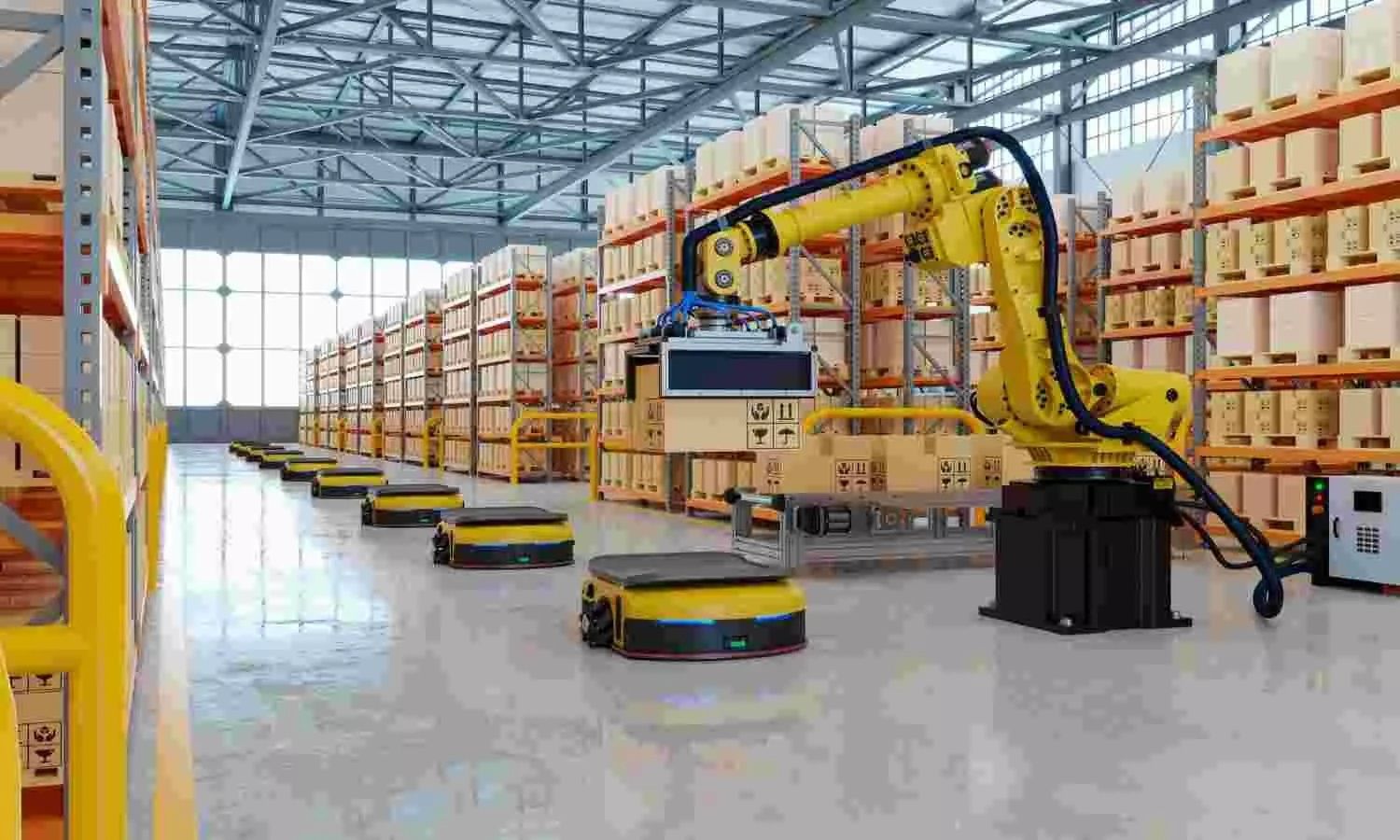
What Is a Warehouse Order Management System?
A Warehouse Order Management System (WOMS) integrates software and hardware tools to manage order processing, inventory tracking, picking, packing, and shipping. It bridges the gap between sales platforms, ERP systems, and warehouse floors, ensuring smooth flow of information across departments.
These systems support real-time tracking, barcode scanning, order routing, and labor management — making them indispensable for companies handling high-volume inventory.
Core Functions of Warehouse Order Management Systems
-
Order Processing and Tracking – Automates order capture, allocation, and tracking from sales to shipment.
-
Inventory Management – Provides real-time visibility into stock levels, reorder points, and storage utilization.
-
Warehouse Order Picking – Optimizes picker routes and workflows to improve speed and accuracy.
-
Shipping Integration – Connects directly with carriers for automated label generation and dispatch updates.
-
Returns and Receiving – Manages reverse logistics efficiently, reducing return processing times.
-
Reporting and Analytics – Offers insights into inventory turnover, employee performance, and order accuracy.
How Warehouse Order Management Works
At its core, the WOMS receives an order from an online or retail channel and determines the best fulfillment path — selecting the optimal warehouse, picking sequence, and packaging plan.
Automated picking systems or warehouse order selectors receive digital instructions via scanners or mobile devices, ensuring precise item retrieval.
Once picked, the goods are packed, verified, and shipped through integrated courier APIs, while order statuses are updated automatically across platforms like ERP, CRM, or e-commerce portals.
This automation eliminates manual errors, shortens processing cycles, and ensures every customer gets exactly what they ordered, on time.
Key Components of a Modern Warehouse Order Management System
| Component | Description | Function in Operations |
|---|---|---|
| Order Capture Interface | Connects sales channels (online, POS, B2B) | Synchronizes incoming orders in real time |
| Inventory Database | Centralized stock information | Ensures accurate stock levels and prevents overselling |
| Picking and Packing Module | Guides workers through optimized routes | Reduces travel time and labor cost |
| Barcode & RFID Integration | Scanning tools for accuracy | Prevents item mismatch and supports traceability |
| Shipping & Carrier Module | Integrates logistics partners | Automates label generation and delivery tracking |
| Analytics Dashboard | Provides KPIs and performance reports | Supports strategic decision-making |
Types of Warehouse Order Management Systems
-
Standalone WMS Software – Focused solely on warehouse operations, suitable for small businesses.
-
Integrated ERP-WMS Platforms – Combines order, inventory, and finance management in one system.
-
Cloud-Based WMS – Offers remote accessibility, scalability, and faster updates for global operations.
-
On-Premise WMS – Installed locally for companies requiring full data control.
-
Third-Party Logistics (3PL) WMS – Designed for logistics providers managing multiple clients.
Benefits of Implementing a Warehouse Order Management System
-
Accuracy and Speed: Automates order picking and inventory updates, reducing human error.
-
Better Inventory Control: Prevents overstocking or stockouts with predictive restocking alerts.
-
Operational Cost Reduction: Optimizes labor, warehouse space, and order routing.
-
Improved Customer Satisfaction: Faster, error-free deliveries enhance brand reputation.
-
Scalability: Supports business growth and multi-location operations.
-
Data-Driven Insights: Real-time analytics help forecast demand and manage resources effectively.
Warehouse Order Picking Techniques
| Technique | How It Works | When to Use |
|---|---|---|
| Single Order Picking | Pick one order at a time | Low-volume warehouses |
| Batch Picking | Multiple orders picked simultaneously | E-commerce fulfillment |
| Zone Picking | Warehouse divided into zones; pickers specialize | Large-scale facilities |
| Wave Picking | Combines orders by schedule or priority | Time-sensitive operations |
| Automated Picking | Robots or conveyors assist | High-volume distribution centers |
Automation in warehouse order picking can increase efficiency by over 40%, especially when integrated with barcode scanners, conveyor systems, or voice-directed picking tools.
Order Fulfillment and Receiving Process
-
Order Generation: Orders flow into the system from multiple sales channels.
-
Inventory Allocation: The system reserves available stock for fulfillment.
-
Picking and Packing: Orders are grouped, picked, packed, and labeled.
-
Quality Check: Items undergo verification before dispatch.
-
Shipping and Tracking: Courier APIs update customers in real time.
-
Receiving and Returns: Reverse logistics is recorded in the system for accurate inventory adjustments.
Efficient order fulfillment warehouses rely on data integration between WMS, order warehouse portals, and shipping software to minimize delays and maintain accuracy.
Challenges in Warehouse Order Management
-
Data Integration Complexity: Synchronizing ERP, CRM, and WMS can be time-consuming.
-
High Initial Investment: Automation equipment and software licensing may require upfront costs.
-
Training Requirements: Warehouse staff must adapt to new digital tools.
-
Scalability Issues: Legacy systems may not support large SKU expansions or multi-channel retailing.
Emerging Trends in Warehouse Order Management
-
AI-Driven Predictive Analytics: Forecast demand and optimize stock replenishment.
-
Robotic Order Picking Systems: Automate high-volume fulfillment tasks.
-
IoT-Enabled Tracking: Use sensors for real-time location and condition monitoring.
-
Cloud-Based Mobility: Enable access through mobile apps for remote warehouse operations.
-
Green Warehousing: Incorporate energy-efficient systems and recyclable packaging to support sustainability.
Practical Checklist for Choosing the Right WOMS
| Factor | Considerations |
|---|---|
| Integration Compatibility | Should connect easily with ERP, CRM, and e-commerce tools |
| Scalability | Must support future growth and SKU expansion |
| Ease of Use | Intuitive interface for faster onboarding |
| Support & Maintenance | Reliable vendor support ensures uptime |
| Analytics Capability | Real-time insights for decision-making |
| Automation Support | Compatibility with barcode, RFID, or robotic systems |
Cost Considerations and ROI
The cost of a warehouse order management system varies depending on size, integration complexity, and automation level.
-
Small businesses may opt for cloud-based solutions with subscription pricing.
-
Enterprises might invest in full-scale automation with integrated sensors, robotics, and ERP connectivity.
The ROI is typically realized within 12–24 months due to reduced manual labor, fewer shipping errors, and improved order cycle times.
FAQs
1. What’s the difference between WMS and Order Management Systems (OMS)?
WMS handles warehouse-level operations like picking and shipping, while OMS focuses on order entry, allocation, and customer management.
2. How does a warehouse order picker operate?
Pickers use handheld scanners or voice systems to locate and retrieve items for each order.
3. Can a WOMS integrate with accounting platforms like QuickBooks or SAP?
Yes, most modern systems offer seamless integration with ERP and accounting tools.
4. What industries benefit most from WOMS?
E-commerce, manufacturing, retail, and logistics companies gain the highest efficiency improvements.
5. Is automation suitable for small warehouses?
Yes, modular systems allow small facilities to adopt automation gradually, improving scalability.
Conclusion
The rise of Warehouse Order Management Systems has transformed how businesses manage fulfillment, logistics, and customer expectations. By integrating automation, analytics, and real-time visibility, these systems enable faster, more accurate, and more sustainable operations.
Whether you’re managing a costco warehouse order, a regional fulfillment center, or an e-commerce hub, the right WOMS enhances productivity, reduces operational costs, and supports business growth in a competitive supply chain landscape.