Thailand, often referred to as the “Land of Smiles,” is one of Southeast Asia’s most popular travel destinations. Known for its tropical beaches, historic temples, vibrant street food, and welcoming culture, the country attracts millions of tourists annually. Bangkok, Chiang Mai, Phuket, and Krabi remain among its most visited regions.
Whether you're traveling for leisure, business, or cultural exploration, understanding Thailand’s customs, transportation systems, and travel logistics is key to having a smooth and respectful experience.
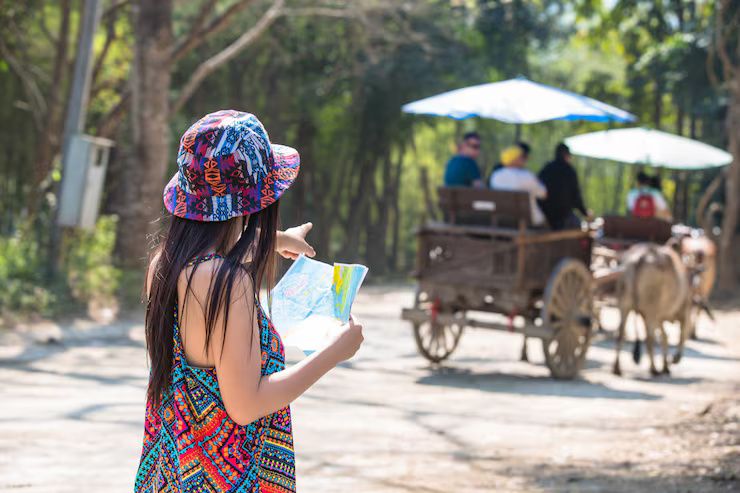
Importance – Why learning about Thailand matters today
Tourism plays a major role in Thailand’s economy, contributing over 10% to the country's GDP. Understanding basic cultural etiquette and travel logistics benefits both visitors and locals by:
-
Reducing cultural misunderstandings
-
Supporting local economies in a respectful way
-
Ensuring safer, more enjoyable travel experiences
-
Helping travelers make sustainable and ethical choices
This topic is especially important for first-time visitors and digital nomads who plan to stay for extended periods. Knowing how to interact, what to expect, and what’s changing can make the difference between a frustrating and rewarding trip.Recent Updates – Travel news and trends in Thailand (2024–2025)
Thailand has seen several key developments in the past year:
-
Extended visa options for digital nomads: As of January 2024, Thailand introduced a long-term visa for remote workers and freelancers, allowing stays of up to five years under certain conditions.
-
Tourism recovery post-COVID: Visitor numbers have rebounded with over 30 million tourists expected in 2025, following recovery incentives and infrastructure improvements.
-
Improved rail connections: New high-speed rail routes are being developed between Bangkok and major cities, enhancing inter-city travel for tourists and residents alike.
-
Cashless payments expansion: Mobile payment platforms like PromptPay and QR-based payments are now widely accepted even by street vendors, making spending easier for international visitors.
Laws or Policies – Regulations affecting travelers in Thailand
Visitors to Thailand should be aware of important laws and travel regulations:
-
Visa policies: Most nationalities can enter Thailand visa-free for 30 days (air) or 15 days (land). Longer stays may require tourist or business visas. Always check Thai eVisa for the latest guidelines.
-
Cultural respect laws: It is illegal to disrespect the Thai monarchy, including images or currency. Offenders may face strict penalties.
-
Drug and smoking laws: Thailand has strict drug laws. Even possession of small quantities can lead to arrest. Smoking bans apply in public beaches and parks.
-
Dress codes for temples: Visitors must wear modest clothing (shoulders and knees covered) when entering religious sites.
-
Cannabis regulation: Although Thailand decriminalized cannabis in 2022, recreational use remains legally grey and is discouraged for tourists.
Tools and Resources – Helpful platforms for planning and exploring
Whether you're planning your first visit or living in Thailand long-term, these tools and websites can help:
Travel planning
-
Skyscanner / Google Flights – Search the cheapest airfares to Thailand
-
12Go Asia – Book local transport (buses, trains, ferries) in English
-
Thai Airways – Official airline with domestic and international connections
Local guidance
-
Travelfish.org – In-depth Southeast Asia travel tips
-
TAT (Tourism Authority of Thailand) – Official tourism website
-
Thailand Elite Visa – Long-stay visa program information
Useful apps
-
Grab – Ride-hailing and food delivery
-
Google Translate – Useful for reading signs and speaking with locals
-
Agoda / Booking.com – Accommodation bookings with verified reviews
-
Currency Converter Plus – Real-time exchange rates
FAQs – Common questions about visiting Thailand
Q1. When is the best time to visit Thailand?
The best months are between November and February, when the weather is cooler and dry. Monsoon season runs from June to October in most regions.
Q2. Is Thailand safe for solo travelers and families?
Yes, Thailand is generally safe. However, always use common sense, avoid poorly lit areas at night, and be cautious with personal belongings in crowded areas.
Q3. What language is spoken, and do locals understand English?
Thai is the official language. In tourist areas, many people speak basic English, but learning a few Thai phrases is appreciated and helpful.
Q4. How much money should I budget per day?
A backpacker can spend around $30–$50/day, while mid-range travelers may spend $80–$120/day including accommodation, transport, and meals.
Q5. Are vaccinations required for travel to Thailand?
Vaccinations are not mandatory, but travelers are advised to be up-to-date on hepatitis A/B, typhoid, and tetanus. COVID vaccination proof may be requested depending on the latest regulations.
Final thoughts
Thailand offers a unique blend of ancient tradition and modern convenience. With its welcoming locals, stunning landscapes, and rich culture, it remains a favorite destination for global travelers. However, understanding the basics—from etiquette to visa rules—can ensure your visit is both respectful and enjoyable.
By using trusted resources, respecting local customs, and staying informed about the latest travel updates, you’ll be better prepared to experience Thailand meaningfully and safely.