When you book a flight online, the base fare often looks affordable. But by the time you check out, you may be paying significantly more—thanks to hidden fees. These fees can include charges for checked baggage, seat selection, meals, early boarding, and even printing a boarding pass at the airport.
Airlines have increasingly shifted to an unbundled pricing model, where they charge separately for various services. This pricing method helps airlines keep ticket prices competitive on search engines, but it can be misleading for passengers who don't anticipate the extras.
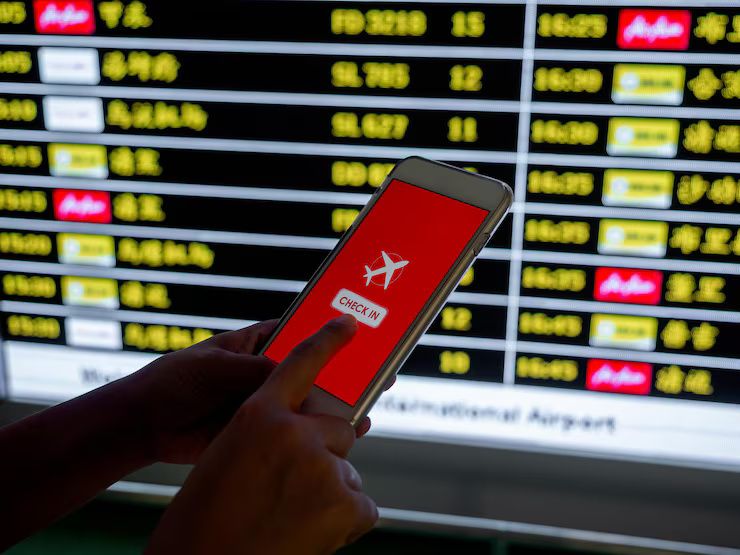
Understanding how these hidden costs work is essential to avoid paying more than expected.
Importance – Who this issue affects and why it matters today
Hidden airline fees impact all travelers—from budget-conscious individuals to families planning vacations. Even frequent flyers may occasionally get caught off guard when booking with a different airline or on a new route.
Here’s why it matters:
-
Budget disruption: Extra charges can add ₹2,000–₹6,000 ($25–$75+) per person on a round-trip ticket
-
Limited transparency: Travelers may not know the full cost until final checkout
-
Airline comparison confusion: Some airlines may seem cheaper at first but end up more expensive due to additional charges
For those trying to travel economically or avoid surprise costs, being aware of these hidden fees is critical.
Recent Updates – Airline fee trends and changes in 2024–2025
The past year has seen several notable trends and policy updates across airlines:
-
Increased checked baggage fees: Major airlines like American Airlines, Lufthansa, and IndiGo revised baggage pricing in 2024
-
Seat selection costs expanded: Basic economy fares now often include mandatory seat fees for standard rows, not just premium seats
-
“Ultra-low-cost” carriers (ULCCs) like Ryanair, Spirit, and Akasa Air have expanded routes while charging for most add-ons
-
More bundling options: Some airlines now offer fare bundles that include baggage, meals, and seat choice, simplifying planning but increasing base fares
-
Digital alerts and AI suggestions: Booking engines like Google Flights and Hopper now alert users to “basic economy restrictions” before booking
Laws or Policies – Government rules on transparent airfare pricing
Different countries and regions enforce consumer protection regulations to ensure transparency in airline pricing:
United States
-
DOT Regulations: Airlines must show the full fare (including taxes and mandatory fees) upfront. However, optional fees (like baggage and seats) can still be added later.
-
Refund rules: If a flight is canceled by the airline, passengers are entitled to a full refund, even for non-refundable tickets.
European Union
-
EU Regulation 1008/2008: Requires clear display of total price, including all unavoidable charges. Airlines must itemize fees at checkout.
India
-
DGCA Guidelines: Mandate transparency for airfare display, including taxes. Add-on services must be optional, not pre-selected. Airlines are also monitored for unfair trade practices.
Despite regulations, hidden charges often still slip through in the form of optional but necessary services—making it important for travelers to review each charge carefully.
Tools and Resources – How to avoid hidden airline fees
Here are effective tools and strategies to reduce or avoid hidden airline fees:
Use Fare Comparison Tools
-
Google Flights – View baggage and seat fees before checkout
-
Skyscanner – Sort flights with and without add-ons
-
Kayak Filters – Filter for “no change fee” or “includes bags” options
Check Airline-Specific Fee Charts
-
Most airline websites have detailed “Fees” or “Optional Charges” pages
-
Use tools like SeatGuru to check aircraft layouts and premium seat costs
Pack Smart
-
Use a carry-on that meets size limits to avoid checked bag fees
-
Wear heavier items like jackets or shoes while boarding
Skip Optional Add-ons
-
Skip seat selection if not necessary—many airlines assign seats for free at check-in
-
Decline travel insurance if you’re already covered by a credit card or personal policy
Use Airline Credit Cards
-
Some airline credit cards waive baggage fees and offer free seat selection or early boarding
FAQs – Common questions about airline fees
Q1. Why do airlines charge separate fees for things that used to be free?
Airlines use “unbundled pricing” to keep base fares low for visibility on booking sites. Optional fees let them earn additional revenue while giving travelers choices.
Q2. How can I tell if a flight includes baggage?
On most travel sites, look for a baggage icon or use fare filters like “includes carry-on.” Always double-check the airline’s baggage policy on their official website.
Q3. Is it cheaper to pay for bags during booking or at the airport?
It’s almost always cheaper to pay for bags during the initial booking process. Fees at the airport may be double or more.
Q4. Can I avoid seat selection fees?
Yes. Airlines like Southwest (US), Air India Express, and some European carriers assign seats for free during check-in. Skip paid selection if seating is not a priority.
Q5. What’s the difference between basic economy and regular economy?
Basic economy is a no-frills ticket. It may exclude seat selection, carry-on, changes, or refunds. Regular economy usually includes at least one free carry-on and standard seat assignment.
Final thoughts
Hidden airline fees can turn a budget-friendly ticket into a costly mistake if you're not careful. The key is awareness. Read the fine print, check the airline’s fee chart, and don’t rush through booking pages.
Using fare comparison tools and planning ahead can help you dodge unnecessary add-ons and stay in control of your travel expenses. In today’s world of low-cost air travel, knowing how to avoid hidden charges is a practical skill for every smart traveler.